
Wild Fishing Tips | Peak Autumn Fishing Season Is Here! Follow These Tips After "White Dew" to Land Big Fish!
"The reeds are lush and green; the White Dew turns to frost." Today marks *Bailu* (White Dew), signaling the start of mid-autumn.
As fish begin storing energy for the winter, the temperature gap between day and night widens, prompting many large fish to shift from "heat-avoidance mode" to "foraging mode."
However, fishing conditions shift rapidly during mid-autumn, requiring anglers to flexibly adjust their strategies based on water
temperature and fish activity. In this article, we share a few key techniques to help you succeed.
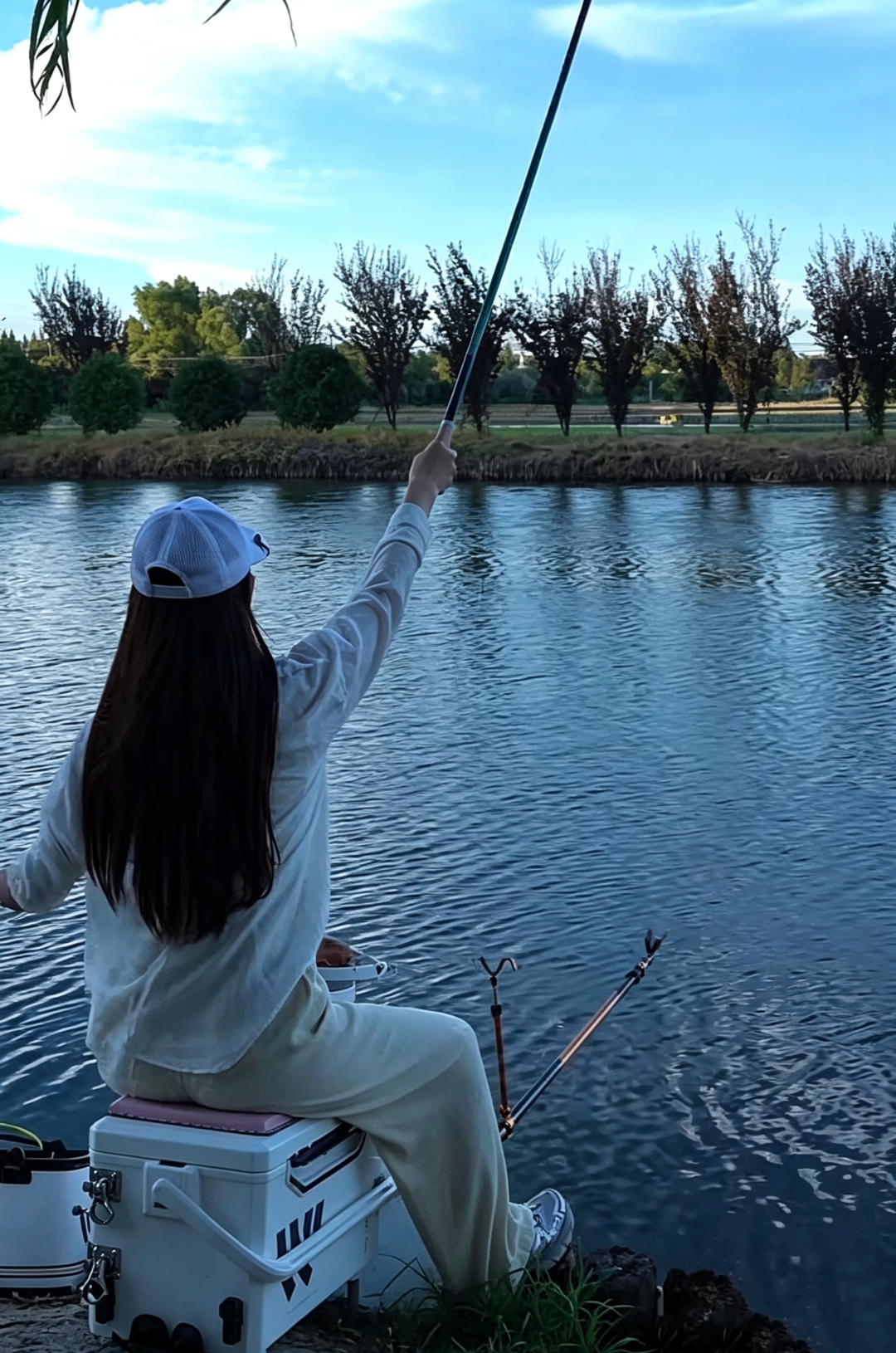

Target Species: Seize the Moment and Battle the Giants
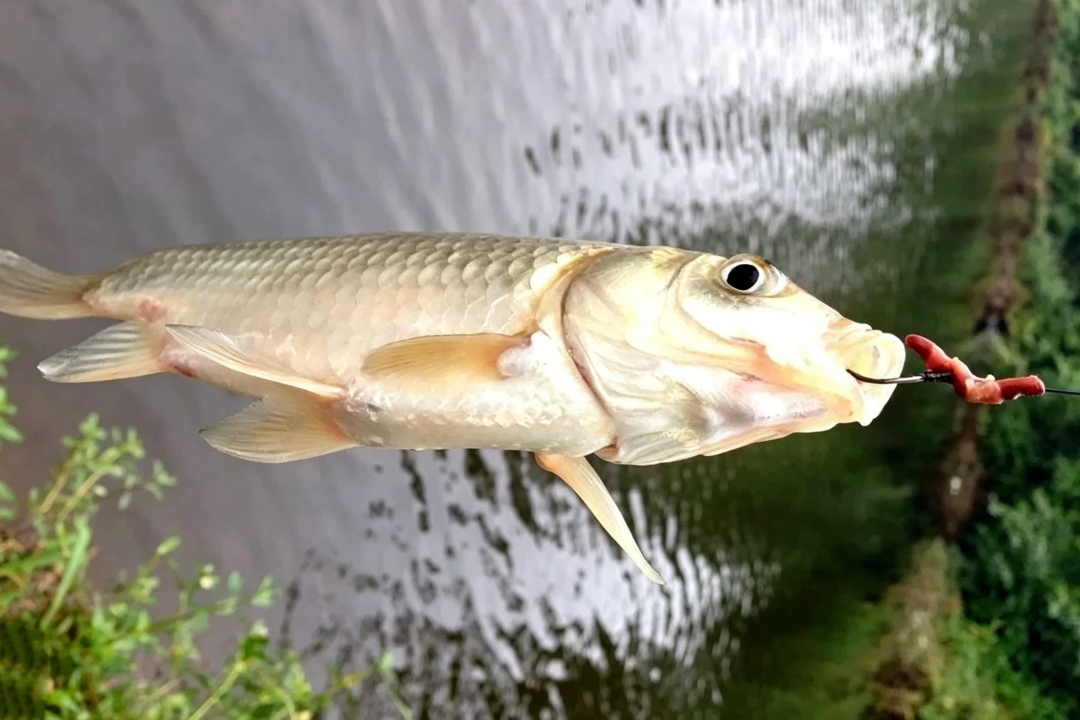
Unlike in summer, when high temperatures leave fish sluggish, the waters of mid-autumn teem with activity—a veritable gathering of aquatic "champions." Not only do bottom-dwelling species like crucian carp and common carp feed actively, but predatory fish such as culter (sharp-snout carp), yellowhead catfish, and mandarin fish are also eager to bite. With so many target species available, your keepnet will often... "A wide variety of options."
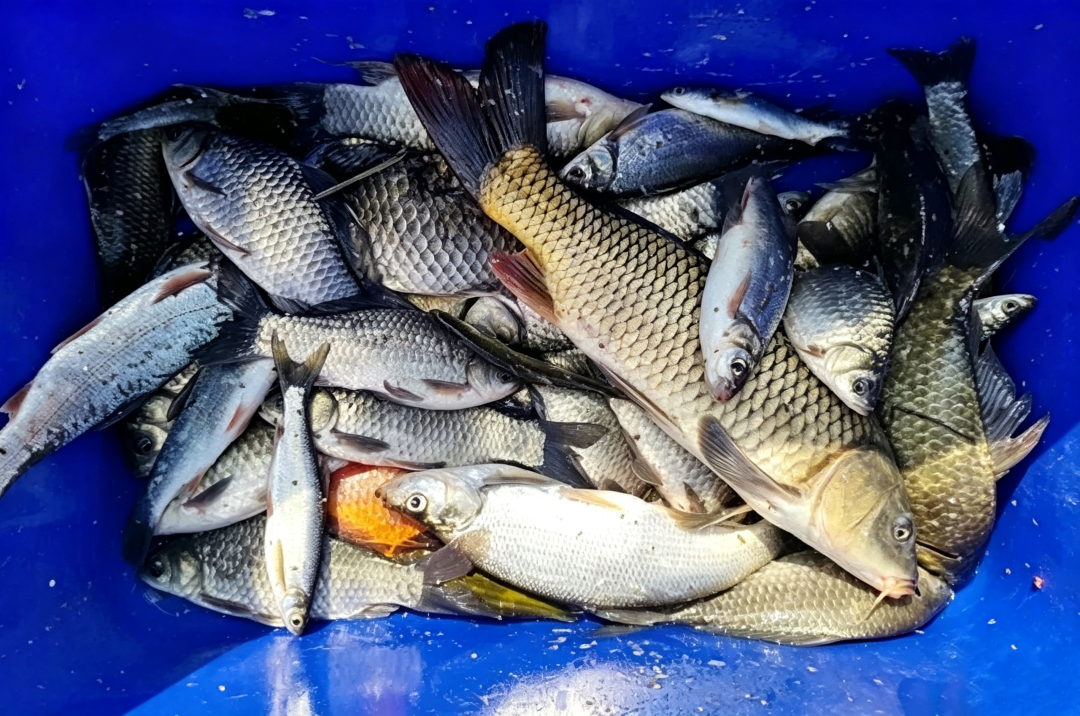
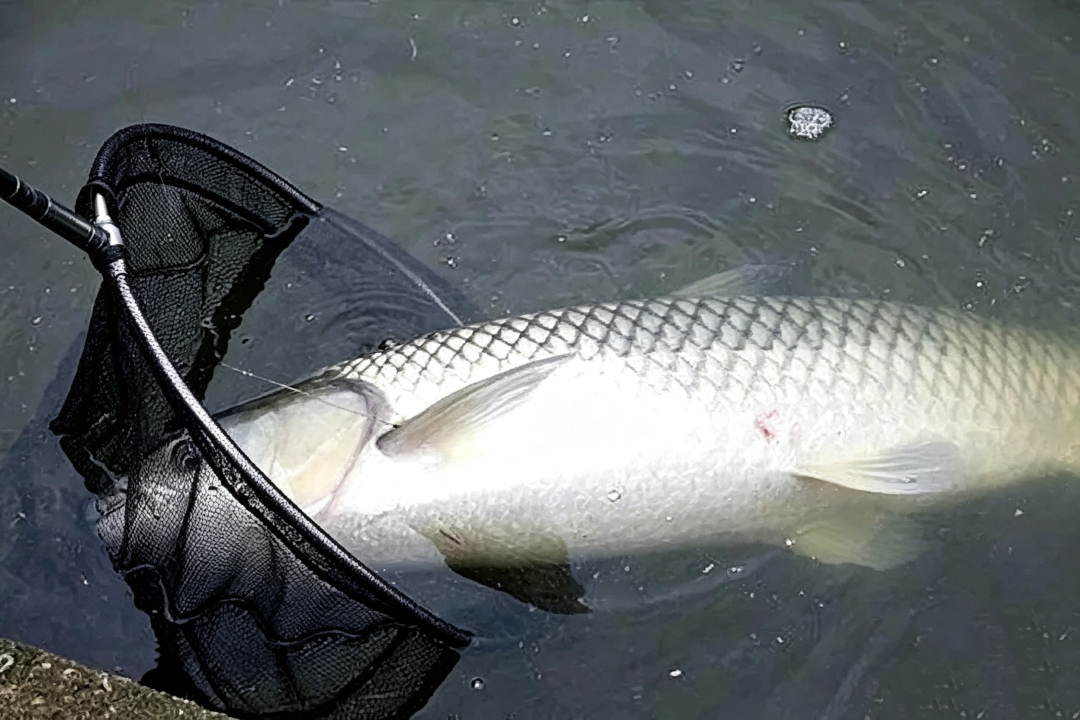
Mid-autumn is a prime time for targeting trophy-sized fish. Large species like black carp and grass carp, preparing to store energy for winter, lower their guard and frequently venture into shallower waters to feed. If local conditions permit, aim for these large specimens; even if you only get one bite all day, the sense of accomplishment is immense.
Fishing times: Prioritize the "golden hours" of morning and evening
After mid-autumn, the window of active feeding extends significantly compared to summer, making fishing viable almost all day long—though different strategies apply to specific time slots:
Morning and Evening (6:00–9:00, 16:00–19:00): Water temperatures are moderate and the light is soft during these periods. With abundant plankton and insects active near the shore, schools of fish boldly approach the banks to feed. These are the two peak times of the day for successful catches; anglers should make the most of them.
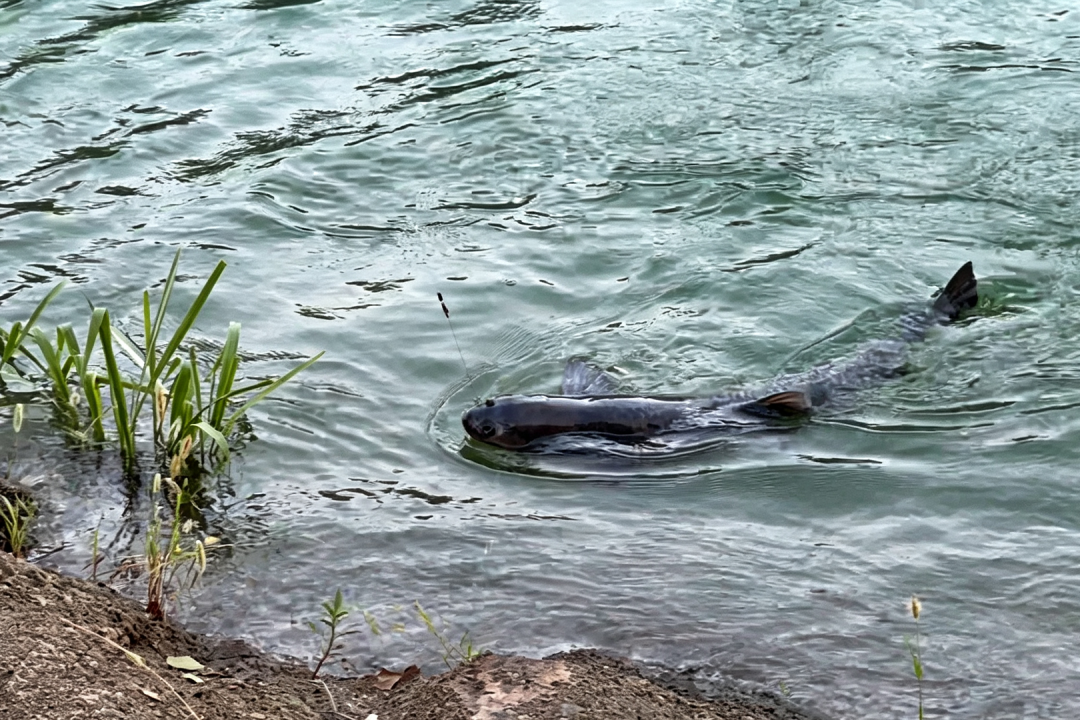
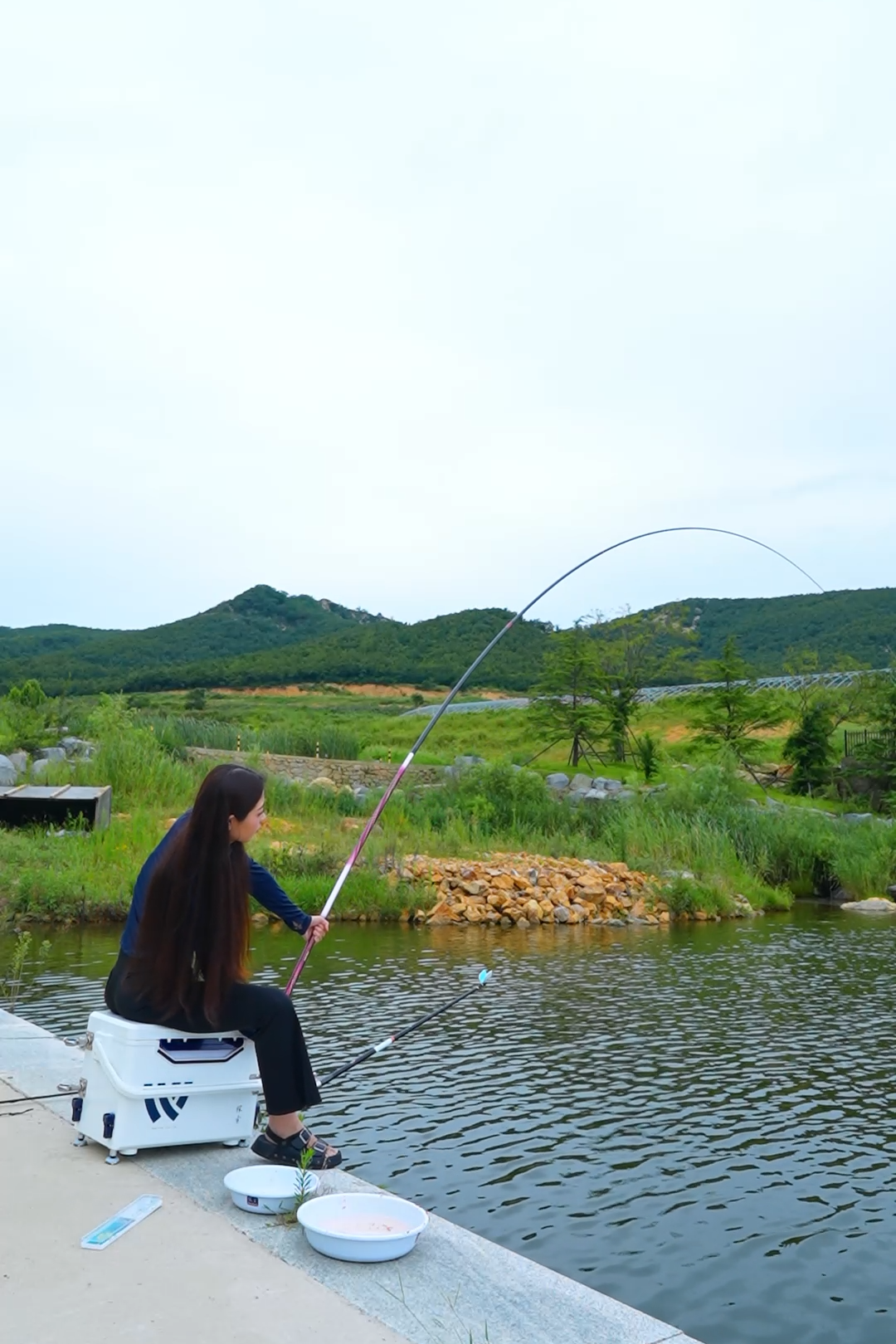
Afternoon (13:00–15:00): Unlike in summer, midday fishing is productive in mid-autumn. Although water temperatures are higher, anglers targeting large reservoir carp or grass carp can often find unexpected success by using long rods to fish in deeper water during this time.
Night (20:00–22:00): As night falls and the shoreline quiets down—with fewer "trash fish" disturbing the swim—wary, large crucian carp and common carp use the cover of darkness to return to the shallows near the bank to feed. Anglers can use electronic floats or night-fishing lights; the fish caught during this time tend to be larger.
Weather selection: Ideally, fish during light breezes, overcast days, light rain, or just after heavy rain clears (conditions that offer high dissolved oxygen and low light, encouraging fish to approach the shore boldly). On sunny days, seek out shaded spots. Avoid adverse weather such as sultry, windless conditions, southwesterly winds, or thunderstorms and heavy rain.
Fishing spot selection
Fish near the banks during morning and evening. Fish Shady Spots at Midday
In mid-autumn, the migratory routes of fish are not static; instead,
they shift in pursuit of water temperatures that fall within their comfort zone. Consequently, the choice of fishing spot requires dynamic adjustment:
Fish the shallows at dawn and dusk: Target near-shore shallows (1–1.5 meters deep), weed edges, coves, and projecting points.
Fish move close to the bank to forage during these times, making them easier to hook.
Fish deep, shaded areas at midday: As the sun intensifies, fish retreat to deeper water, shaded spots, or areas with underwater cover. You should switch to locations such as the base of a drop-off, steep underwater slopes, areas with submerged trees or rocky debris, or the deep-water zones near a dam. These spots feature complex structures and accumulated food, serving as "air-conditioned sanctuaries"
where large fish hide.
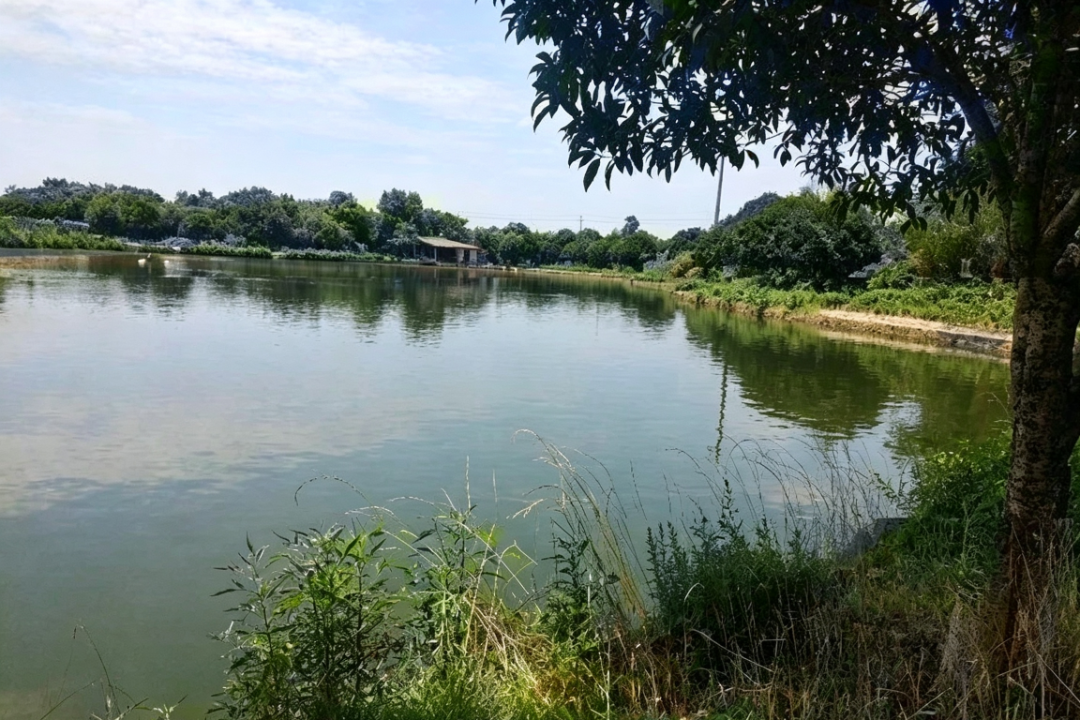
Key Tip: Fish behavior changes rapidly in mid-autumn; a shallow-water spot that yields a flurry of bites in the morning might go completely quiet by midday. Do not stubbornly stick to one spot; instead, actively "seek out the fish" based on real-time changes in water temperature and be flexible in changing your location.
Bait Selection
A Blend of Fragrant and Savory (Fishy) Notes to Stimulate Feeding
After the "White Dew" solar term, fish urgently need to replenish high-protein energy reserves.
Your bait should feature a blend of fragrant and savory (fishy) notes. Build upon your summer formula by increasing the proportion of high-protein, fishy ingredients—aim for a ratio of roughly 70% grain-based fragrance to 30% savory/fishy aroma.
As temperatures drop further later in the season, you can gradually increase the savory/fishy component to 50%.
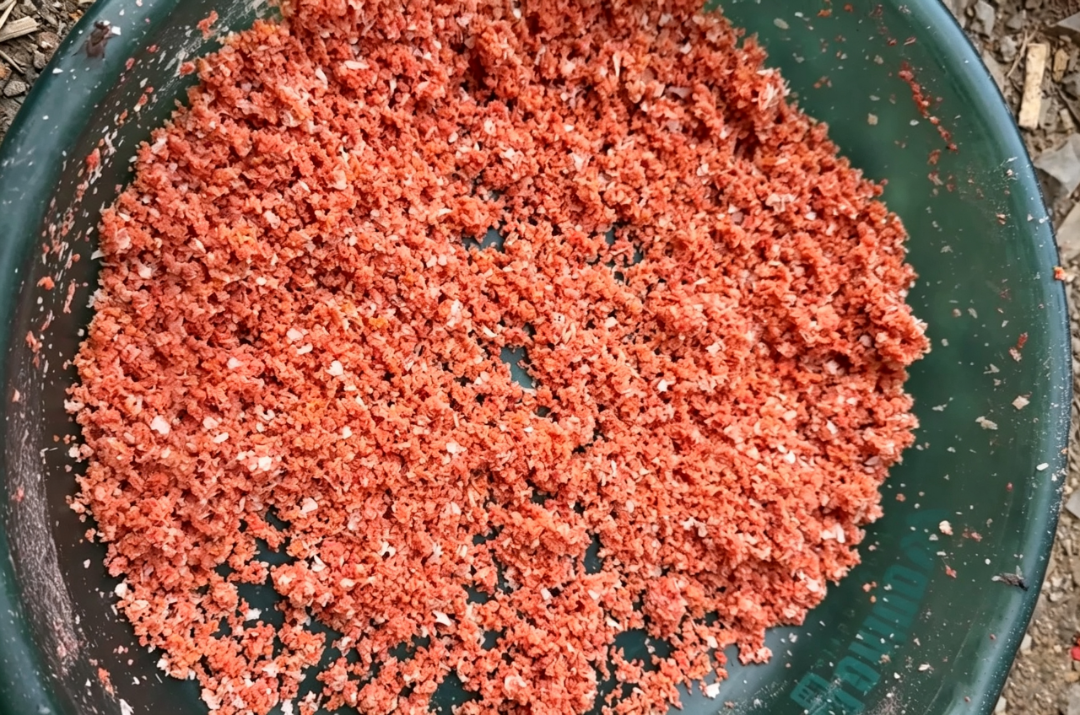
Adjust the bait's consistency based on the presence of "trash fish" (small nuisance fish). If they are abundant, use a soft, sticky bait with low dispersion to resist them and ensure the bait sinks quickly to the bottom, targeting larger fish. If nuisance fish are scarce, add ingredients like light bran to increase dispersion and attract fish faster; combining this with live bait like earthworms or bloodworms creates an even more effective, dynamic lure.
When pre-baiting (chumming), use a "little and often" approach. Precisely deposit a mix of liquor-soaked grains and crushed corn;
avoid overfeeding the fish with a massive pile of bait, focusing instead on keeping them in the area consistently.
Successful fishing after "White Dew" relies on timing, location, and insight into fish behavior. When heading out, combine these strategies with local water conditions, and you are sure to enjoy the thrill of non-stop action and a full catch this golden September.